The Shadow of Lincolnshire: The Haunting of the Black Lady of Bradley Woods

by M.P. Pellicer | Noir Notebook

The village of Bradley has long harbored a shadow. While its roots reach back to medieval Lincolnshire, no one can truly say when the “Black Lady” first emerged from the treeline. She is a lingering dread, a figure so woven into the local psyche that for generations, parents have used her name as a whispered threat to silence unruly children.

One theory as to her identity is that she is the ghost of a nun. Two miles from Bradley lies Nunsthorpe. In 658, St. Wilfrid founded a monastery, which the Danes destroyed when they invaded the area. William the Conqueror and the Bishop of Durham refounded it in 1082, as the Priory of St. Leonard.

It’s believed the nunnery was founded by Henry II before 1184, and placed under the protection of the Austin canons.

One of the poorest and obscure houses of the order, in 1296, the nuns had to beg alms to support themselves.  Records from the 14th century hint at fractured vows—absolution granted for apostasy and “breaches of chastity.”

Franciscan friars arrived in Grimsby in 1240, and Austin friars in 1293. During these years, a leper hostel run by the church was established.

The priory itself seemed cursed by the elements and the crown alike, suffering through fire and flood before Henry VIII finally shuttered its doors in 1539. Today, only the name “The Nuns” remains at a lonely crossroads where a farmhouse stood until 1952.

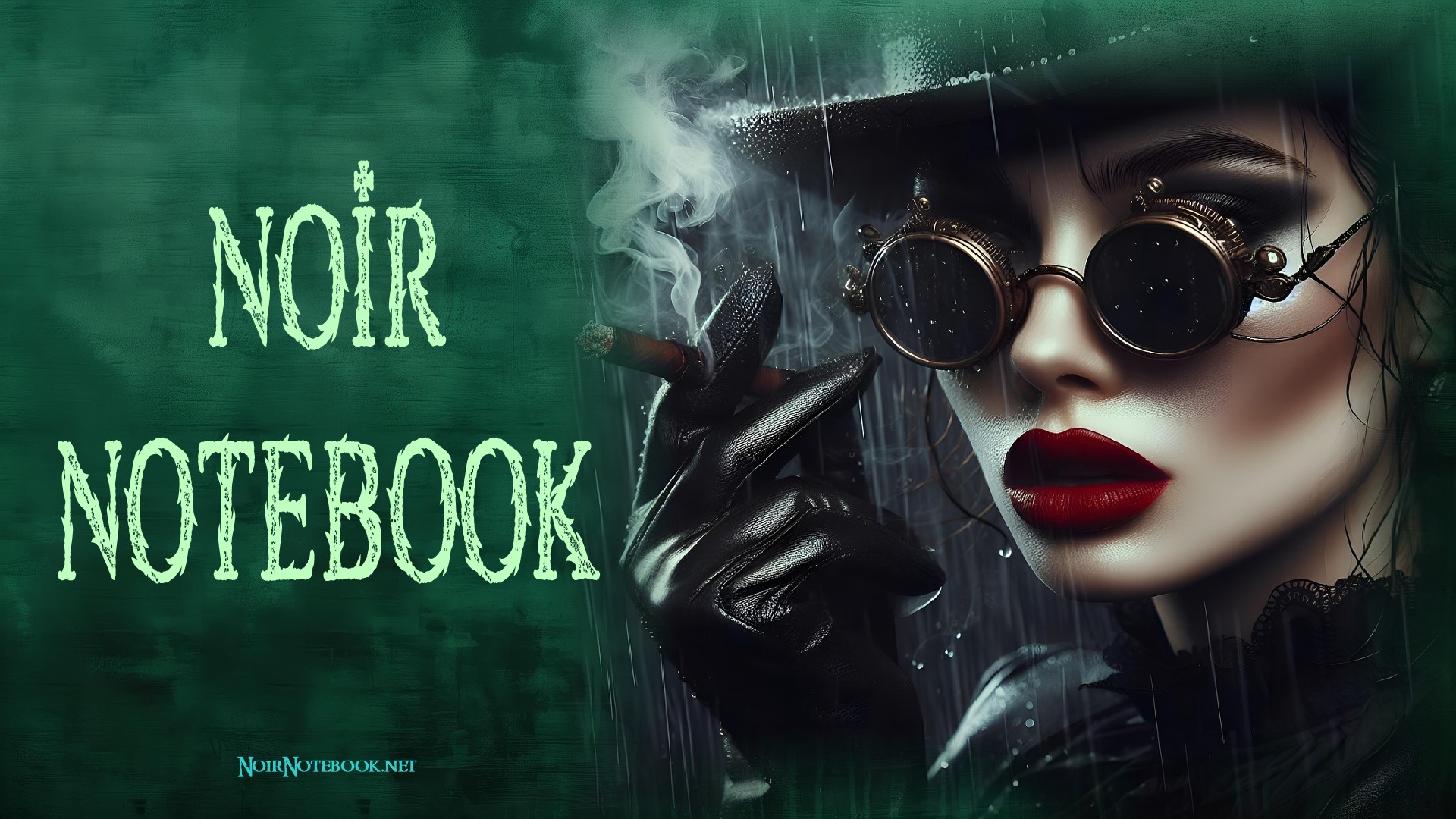
Those who encounter The Black Lady describe a tall, youthful figure with a face etched in grief. She wanders the Bradley woods wrapped in a black, hooded cloak. Some speculate she was a nun keeping a secret tryst beneath the canopy, far from the prying eyes of the convent.
Is the Black Lady an urban myth or rooted in history?

Others tell a darker tale from the chaos of the Wars of the Roses. It is said a woodsman’s wife waited at the forest’s edge for a husband who never returned from battle. When the enemy crossed the Humber, she was intercepted by three hobilars. They stole her honor and her child, leaving her to haunt the brush—a ruined soul searching for what was taken even beyond the grave.

The Black Lady does not rest. Motorists passing the woods report a figure standing sentinel at the entrance or a sudden shape darting before their headlights, only to vanish into the cold air. Others describe a mist that drifts toward St. George’s Church, dissolving through walls where doors no longer exist.

On the bend of the road, strange lights flicker. Some see a lady in a 19th-century grey dress. Perhaps this apparition is a victim of the Great Plague that once devastated this land. Only miles away at Thornton Abbey, a mass grave of forty-eight skeletons—nearly half of them children—remains as a silent testament to the 1349 outbreak.

Local lore maintains that if you venture into the woods on Christmas Eve and chant:

“Black Lady, Black Lady, I’ve stolen your baby,” three times into the dark, she will answer.